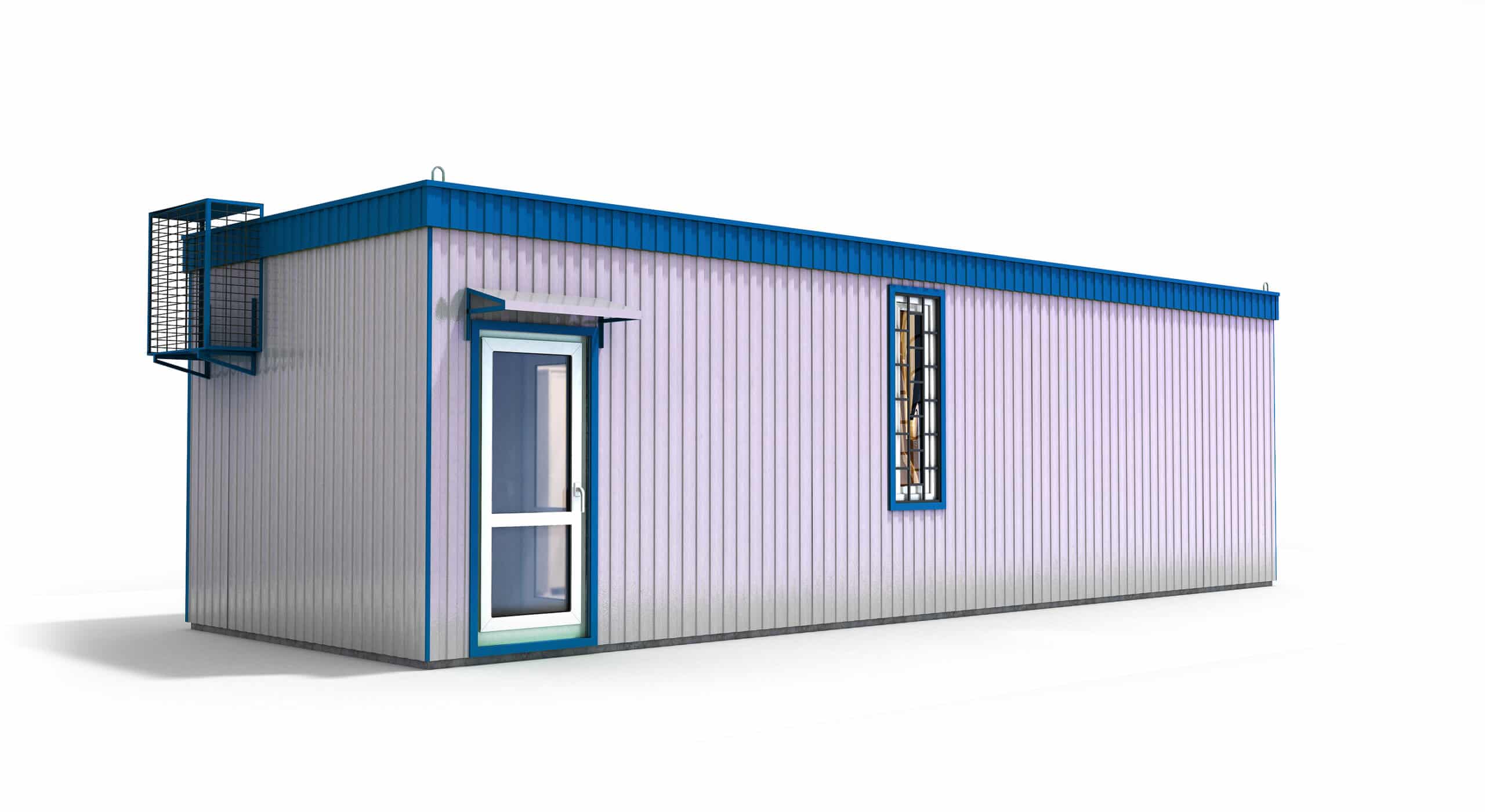
Mobile Offices vs. Storage Trailers: Which Solution Fits Your Business Needs?
Temporary space solutions play a critical role for businesses that operate outside of traditional buildings. Construction companies, retailers, schools, municipalities, and industrial operations all rely on flexible onsite infrastructure to stay productive and organized. Choosing the right solution can directly affect efficiency, safety, workflow, and overall project success.
Two of the most common options are mobile offices and storage trailers. While they may look similar from the outside, they serve very different purposes. Understanding how each works, where they excel, and when they should be used together helps businesses make smarter decisions for their jobsites and operations.
What Are Mobile Offices?
Mobile offices are designed to provide a functional, comfortable workspace wherever it is needed. They serve as temporary buildings that support administrative and operational tasks onsite.
Key Features
Mobile offices are built to support daily work activities and typically include:
- Climate-controlled workspace for year-round use
- Secure windows and doors for safety and privacy
- Electrical outlets, lighting, and optional internet hookups
- Configurable interior layouts to support desks, tables, and equipment
These features allow teams to work efficiently without relying on nearby permanent facilities.
Best Uses for Mobile Offices
Mobile offices are commonly used in situations where onsite coordination, documentation, or supervision is required, including:
- Construction site management and project oversight
- On-site administrative teams handling paperwork and scheduling
- Security offices at controlled-access sites
- Temporary classrooms or training rooms
- Remote operations or field teams without permanent office space
They create a centralized location for communication and decision-making.
Benefits of Mobile Offices
The primary benefit of a mobile office is the ability to establish a professional workspace quickly. Teams gain a private, secure environment that supports meetings, planning sessions, inspections, and documentation. This structure improves communication, reduces distractions, and enhances productivity on multi-week or long-term projects where consistent onsite presence is required.
What Are Storage Trailers?
Storage trailers are designed for secure, accessible storage rather than occupancy. They function as durable, mobile storage units that keep tools, equipment, and materials protected and organized.
Key Features
Storage trailers are built for heavy-duty use and typically offer:
- Weather-resistant, lockable steel construction
- Forklift-ready designs that support efficient loading
- Wide door openings for large or bulky equipment
- Durable materials that withstand jobsite conditions
Their design prioritizes security, durability, and ease of access.
Best Uses for Storage Trailers
Storage trailers are ideal for situations where secure onsite storage is essential, such as:
- Construction tool and equipment storage
- Retail seasonal inventory overflow
- Industrial and warehouse backup storage
- Event supply and equipment protection
- Staging materials for multi-phase construction projects
- Secure storage for specialty or high-value tools
- Temporary storage during renovations or facility upgrades
- Municipal or utility project equipment storage
- Short-term storage for deliveries awaiting installation or deployment
They help keep valuable assets close to where work is happening.
Benefits of Storage Trailers
Storage trailers keep equipment secure and accessible while reducing onsite clutter. By providing a designated storage area, they minimize theft, loss, and damage. Storage trailers are also cost-effective, making them suitable for both short-term needs and extended projects without the expense of building permanent structures.
Key Differences Between Mobile Offices and Storage Trailers
Purpose and Function
The most fundamental difference lies in their purpose. Mobile offices are designed for people, providing workspace and environmental control. Storage trailers are designed for equipment and materials, offering secure, unoccupied storage. One supports administrative work, while the other supports operations and logistics.
Onsite Utility
Mobile offices improve workplace productivity by giving teams a place to work, meet, and manage tasks. Storage trailers improve operational efficiency by keeping tools and materials organized and readily available. Each serves a different but complementary role on a jobsite.
Size, Layout, and Customization
Mobile offices can be customized with desks, seating, heating, air conditioning, and technology setups. Storage trailers focus on storage configurations such as shelving, racks, or open floor plans to accommodate equipment and materials. The customization reflects how each unit is meant to be used.
Mobility and Setup
Both solutions are delivered and relocated as needed, but setup requirements differ. Mobile offices often require utility connections and placement planning for accessibility. Storage trailers typically require less site preparation and can be positioned quickly for immediate use.
How To Choose the Right Solution for Your Project
Consider Your Project Timeline
Short-term projects may benefit from minimal setup and flexible rentals, while long-term projects often justify a mobile office for consistent onsite management. Storage trailers work well for both short-term and extended durations depending on equipment needs.
Evaluate Space Constraints
Available space and site access play a major role in deciding between a mobile office, a storage trailer, or both. Tight or active jobsites may limit the number or size of units that can be placed, while larger sites offer more flexibility. Understanding access and ground conditions ahead of time helps prevent delivery issues and repositioning delays.
Key factors to evaluate include:
- Total available footprint for placement without disrupting workflow
- Delivery access for trucks, including turning radius and clearance
- Ground conditions such as gravel, pavement, or soft soil
- Proximity to active work zones, utilities, and traffic paths
- Space needed for doors to open fully and allow safe access
Taking these factors into account early helps ensure the selected solution fits the site and functions as intended from day one.
Identify Your Workflow Needs
Projects with significant administrative requirements typically benefit from a mobile office. Projects focused on construction, inventory handling, or equipment staging often prioritize storage trailers. In many cases, a mixed-use approach delivers the best results.
Budget Considerations
Cost differences between mobile offices and storage trailers depend on unit size, rental duration, and included features. Rental, lease, and purchase options should always be evaluated against project length, operational needs, and available budget. In general, storage trailers are more affordable and designed for secure equipment storage, while mobile offices provide greater functionality for management, coordination, and administrative work.
To help determine the most cost-effective option, consider the following:
- Choose a storage trailer if your primary need is secure storage for tools, materials, or inventory with minimal setup requirements
- Choose a mobile office if your project requires a climate-controlled workspace for supervisors, meetings, or documentation
- Consider long-term rentals when projects last several months, as extended terms often lower monthly costs
- Evaluate whether modifications like utility access (power, internet, HVAC) will add to total costs for mobile offices
- Factor in relocation or upgrade flexibility if project scope or timeline may change
This approach helps align equipment selection with real project demands, avoiding unnecessary expenses while ensuring the right level of functionality onsite.
When You Need Both a Mobile Office and a Storage Trailer
Many jobsites function best when a mobile office and a storage trailer are used together rather than choosing one over the other. While mobile offices support planning, communication, and supervision, storage trailers handle the physical reality of tools, materials, and equipment that keep work moving. On most sites, storage needs do not disappear just because an office is present.
Larger construction sites often require a mobile office for supervisors and project managers, along with one or more storage trailers for tools, materials, and consumables. Multi-department operations need administrative space for coordination and secure storage for field crews. Seasonal businesses may require management space during peak periods while also storing inventory or equipment onsite.
Pairing a mobile office with a storage trailer improves workflow efficiency by separating workspaces from storage areas while keeping everything accessible and organized.
Why A Storage Trailer Should Always Be Part of the Plan
Even when a project includes a mobile office, storage demands remain constant. Tools, materials, safety equipment, and deliveries still need a secure place onsite. Relying on makeshift storage inside offices or scattered around the jobsite leads to clutter, inefficiency, and increased risk. In most cases, adding a storage trailer is a small cost compared to the operational benefits it provides.
Using A Storage Trailer as the Foundation
For many projects, the most practical approach is to start with a storage trailer and build from there. Storage trailers are often the first unit placed onsite because they immediately support crews and materials. Once storage is secured, adding a mobile office becomes a strategic upgrade rather than a necessity.
This approach allows businesses to scale their onsite setup based on actual needs rather than assumptions made early in the project.
Converting A Storage Trailer into a Mobile Office
In some situations, a storage trailer or container can be converted or outfitted to function as a mobile office. This option is especially useful for projects that need a small administrative space without committing to a full office unit.
Converted storage trailers can be used for:
- Foreman or supervisor workspaces
- Check-in stations or planning areas
- Security or monitoring stations
- Temporary admin needs on smaller sites
- Safety briefing or toolbox talk areas
- Permit storage and document review stations
- Dispatch or scheduling hubs for crews and deliveries
- Quality control or inspection workspaces
- Temporary offices during phased builds or site transitions
This hybrid approach preserves secure storage while adding workspace functionality, making it a flexible option for budget-conscious or space-limited projects.
Why Choose Page Street Leasing?
Local Expertise and Fast Delivery
Page Street Leasing provides regional coverage across New England and the Northeast, with fast turnaround times that keep projects moving. Local expertise helps ensure deliveries and placements align with real-world site conditions.
High-Quality, Well-Maintained Units
Mobile offices and storage trailers are maintained to be reliable and work-ready upon delivery. Units are inspected regularly to ensure doors, locks, flooring, and structural components are in proper condition before arriving onsite. Clean, secure units allow businesses to begin using their space immediately without delays, setup issues, or safety concerns. This level of upkeep helps reduce disruptions and supports a more professional, organized jobsite environment.
Flexible Rental and Leasing Options
Solutions are tailored to different business types, project timelines, and budget requirements. Rental and leasing options are designed to accommodate short-term needs as well as long-term projects that evolve over time. Flexible terms allow companies to add units, change sizes, or extend agreements as project scopes shift, providing storage and workspace solutions that adapt rather than limit operations.
Customer-Focused Service
Ongoing support, clear communication, and responsive service help ensure that businesses get the right solution and continued assistance throughout the rental period.
In Conclusion
Choosing between a mobile office and a storage trailer depends on how your business operates, what your project requires, and how you plan to manage space onsite. With the right guidance and flexible options, businesses can create efficient, secure, and productive environments wherever work needs to happen.
Contact Page Street Leasing
If you are evaluating mobile offices, storage trailers, or a combination of both for your next project, Page Street Leasing is ready to help. Our team works closely with construction companies, businesses, and organizations across New England to recommend the right solution based on your site conditions, timeline, and operational needs. Contact Page Street Leasing today to request a quote, discuss rental and leasing options, or schedule delivery, and get reliable, jobsite-ready space where and when you need it.
