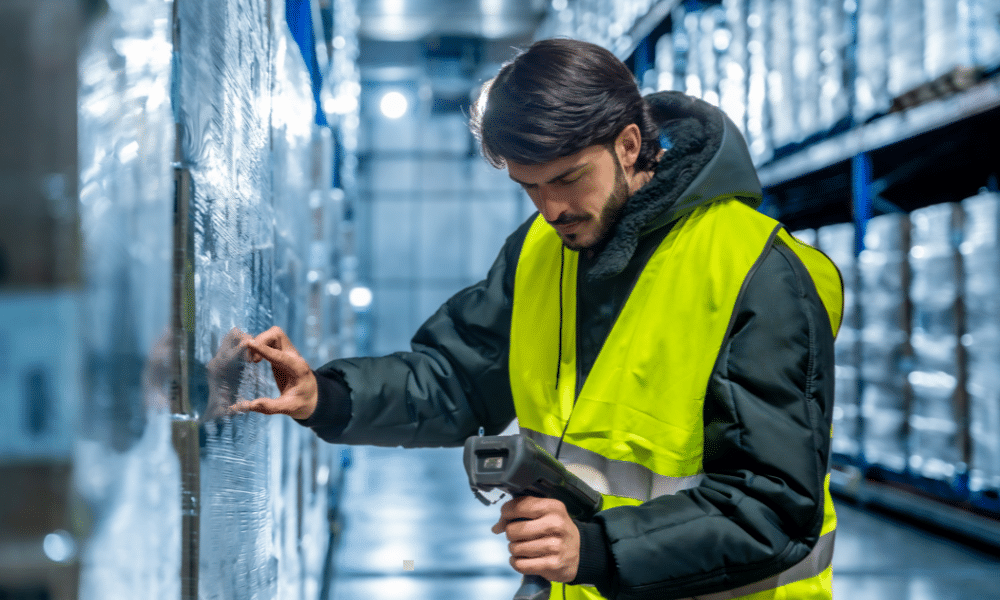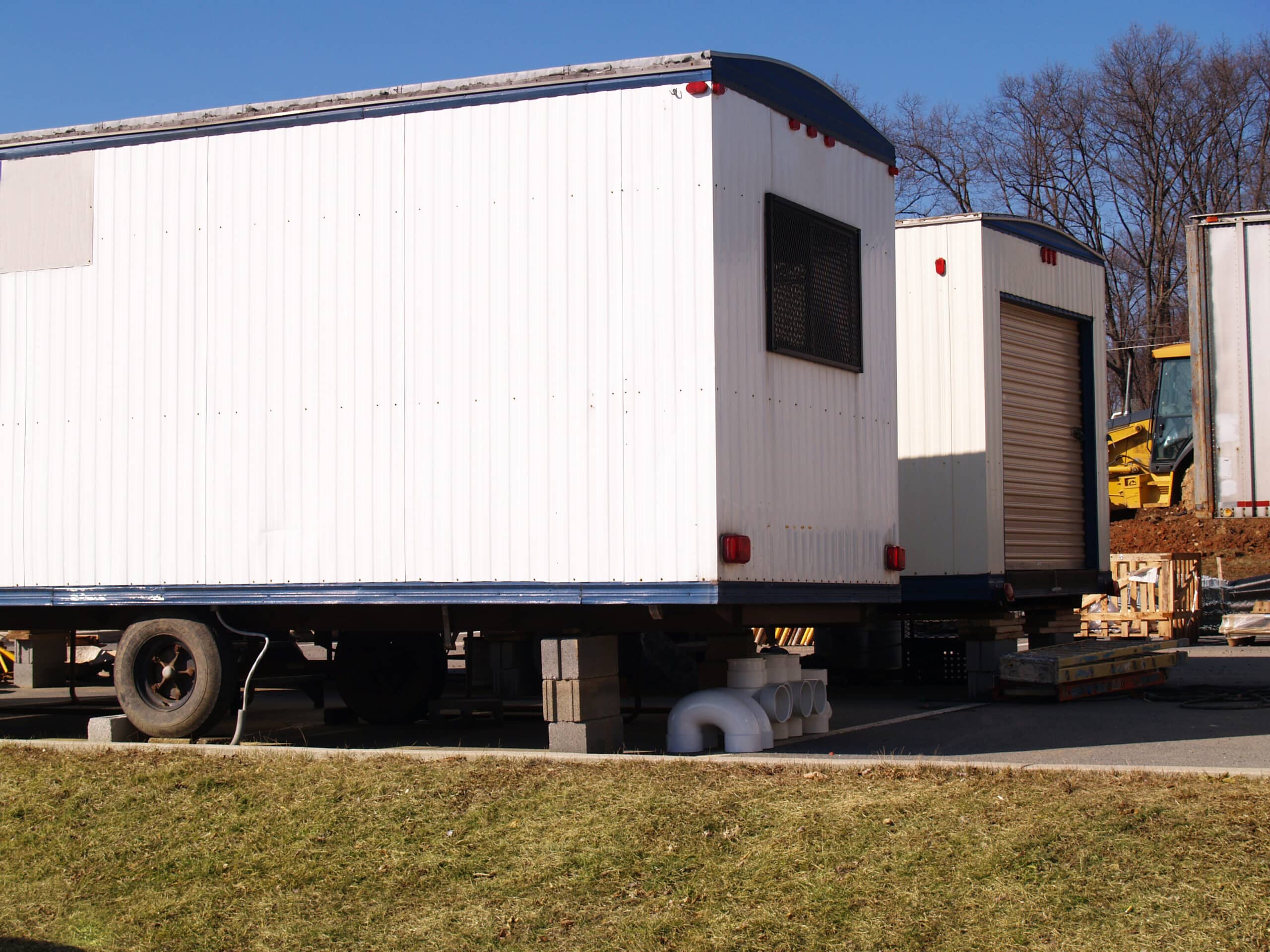
AI tech image

The Future of Container Tech: AI and Predictive Maintenance in Storage Solutions


The way businesses handle storage and logistics across New England is undergoing a quiet but massive change. For decades, companies have relied on standard steel boxes to keep their valuable equipment safe. But today, with tighter project deadlines, shrinking budgets, and highly unpredictable weather, businesses need smarter, more reliable onsite storage. Simply having a secure steel box isn’t enough anymore; the modern market demands smart, active storage solutions.

This is where Artificial Intelligence (AI) and predictive maintenance come in. While those terms might sound complicated, the basic idea is very simple. AI uses smart computer programs to look for patterns in data, while predictive maintenance uses that data to figure out when equipment is about to wear down before it breaks. Together, they change storage from a passive box into an actively monitored asset. As a forward-thinking storage partner, Page Street Leasing is staying ahead of these tech trends to ensure our New England clients always have the most efficient, secure, and reliable equipment on their job sites.

What Is Predictive Maintenance?

To understand why predictive maintenance is such a game-changer, it helps to look at how storage equipment has traditionally been maintained. In the past, maintenance usually followed two models: reactive maintenance (fixing something only after it breaks) or scheduled maintenance (checking equipment on a strict calendar schedule, like every six months, whether it needs it or not).

While scheduled checks are helpful, they don’t work perfectly for mobile storage containers and over-the-road trailers. A storage container sitting inside a dry, climate-controlled warehouse faces completely different wear and tear than a storage trailer enduring a brutal coastal winter on a construction site in Portland, Maine, or a windy marine port in New Bedford, Massachusetts.

Predictive maintenance replaces guesswork with real-time facts. By using built-in sensors and smart data tracking, this technology constantly checks the actual condition of each individual unit. Instead of waiting for a door hinge to completely jam or a roof seam to crack, the system catches tiny irregularities early. This allows maintenance teams to fix exact issues right when they start, saving you from expensive emergency breakdowns and unnecessary routine service costs.

How AI Is Being Integrated Into Storage Containers

Turning a standard steel shipping container into a smart asset requires a combination of compact sensors and cloud-based AI. Modern, high-grade units can now be equipped with specialized sensors that quietly track important information without getting in the way of daily work:

  • Climate Sensors: These constantly monitor internal temperature and humidity levels so sensitive materials, electronics, and delicate inventory stay safe from climate damage.
  • Movement Sensors: These detect unusual shifting, ground settling, or rough handling by heavy machinery like forklifts that could ruin the container’s alignment.
  • Security Trackers: These log how often the doors open, monitor lock status, and instantly flag unauthorized entry attempts, creating a digital record of exactly when the container was accessed.

Once this data is collected, it is sent to a central AI platform. The AI sets a baseline for what “normal” looks like for that specific container. If something changes, like humidity levels slowly rising inside the container even though the outdoor weather is dry, the AI immediately catches the trend. It diagnoses the root cause, such as a worn-out door seal or a tiny puncture in the roof, and alerts the site supervisor long before moisture can ruin the expensive tools or materials stored inside.

New England Regional Spotlight: For teams renting storage containers in Boston or managing industrial projects across Massachusetts, Rhode Island, Connecticut, New Hampshire, Maine, and Vermont, these early warning systems are invaluable. Sudden coastal storms, freezing rain, and rapid freezing and thawing can ruin standard storage units. Smart tracking takes away the surprise factor, keeping your materials completely safe from local weather hazards.

Key Benefits of AI-Driven Storage Solutions

Leasing or buying a technologically advanced storage unit offers massive operational and financial advantages over the long run. By adding smart tracking to your equipment fleet, your business gains several key benefits:

  1. Way Less Unexpected Downtime: When a storage trailer door or ramp breaks down at a busy shipping hub, work grinds to a costly halt. Smart alerts let you handle repairs during off-hours before a breakdown happens.
  2. Longer Equipment Lifespan: Catching minor issues early stops small spots of rust, corrosion, and weak seals from spreading, keeping heavy-duty steel equipment in top shape for decades.
  3. Uncompromising Asset Protection: High-value tools, expensive building materials, and sensitive electronics get an extra layer of active defense against weather damage and theft.
  4. Smarter Repair Budgets: Catching a small problem and making a quick adjustment is significantly cheaper than paying for emergency fixes or replacing an entire unit.
  5. Easier Project Planning: Project managers can comfortably run long-term project timelines, knowing their onsite storage will work perfectly across every season without causing sudden delays.

Use Cases for Construction and Industrial Jobsites

The practical value of smart container technology becomes incredibly clear on busy construction sites, manufacturing plants, and commercial developments. In these rugged environments, mobile storage units are constantly exposed to harsh weather, heavy equipment bumps, and shifting ground.

For example, during a wet New England spring, high outdoor humidity mixed with freezing nighttime temperatures creates a major risk of indoor condensation, often called “container rain.” AI-driven humidity sensors can instantly spot this moisture buildup, alerting the project manager to check the vents or add drying packs before rust ruins expensive tools or drywall stock.

Additionally, on uneven ground or active excavation sites, movement sensors can track if a heavily loaded storage trailer is starting to lean due to soil erosion or uneven weight. This allows crews to fix the issue before the trailer tips over. For managers overseeing multiple sites across several states, a single digital dashboard provides a bird’s-eye view of every container’s security and structural health, eliminating the need to drive out for manual, time-consuming physical inspections.

Predictive Maintenance vs. Traditional Maintenance

Maintenance Metric Old-School Scheduled Model Smart Predictive Model
Why is it inspected? Based on a fixed calendar date (e.g., every 6 months) Based on real-time wear, tear, and usage data
Time & Cost Efficiency Lower; requires manual travel to check every unit Optimized; crews are dispatched only when flagged
Risk of Unseen Failure Moderate to High; problems develop between checks Near Zero; continuous monitoring alerts you instantly
Jobsite Safety Impact Reactive; hazards are found after something breaks Proactive; catches door, hinge, or structural faults early

What This Means for Long-Term Storage Trailer Rentals

For companies utilizing long-term storage trailer rentals, smart data tracking provides a fantastic return on investment. Extended, multi-season projects, like highway construction, school campus renovations, or seasonal retail inventory storage, need infrastructure that works reliably in the background without requiring constant management attention.

When a storage trailer is parked on a site for a year or more, it goes through the full cycle of volatile regional weather, from boiling summer heat to heavy winter blizzards. A smart trailer setup keeps tabs on these seasonal shifts, ensuring rubber door seals, undercarriage parts, and roof panels stay strong over long periods. By eliminating unexpected structural failures and emergency service calls, long-term leasing clients enjoy completely uninterrupted workflows and highly predictable monthly budgets.

Security, Compliance, and Data Considerations

As storage infrastructure becomes digital, protecting sensitive job site data and access logs is a major priority. Smart containers track sensitive details, like precise entry times, personnel records, and internal climate levels. This data must be protected by strong digital encryption and secure cellular networks to prevent any unauthorized digital tampering.

Furthermore, forward-thinking operators make sure these intelligent storage systems integrate easily with existing onsite security networks, like security cameras, electronic gate access, and project management apps. From a regulatory standpoint, industrial, municipal, and construction clients must follow strict safety and asset tracking rules. Keeping verified, unalterable digital logs of container conditions makes it incredibly easy for businesses to pass corporate audits and maintain high workplace safety standards.

The Road Ahead for Container Technology

Looking forward over the next 5 to 10 years, the integration of digital technology into mobile storage will move even faster. We may see fully connected jobsites where storage containers, heavy machinery, and digital project management software all talk to each other within a single network.

Future storage units may feature solar-powered climate control systems that adjust automatically based on local weather forecasts, alongside advanced predictive programs that sync directly with your logistics software to schedule automated drop-offs and pick-ups. As these advanced technologies grow, Page Street Leasing will be right here to guide our commercial clients through the changing landscape, combining heavy-duty steel protection with smart, modern logistical solutions.

Conclusion

As industrial and construction projects demand faster turnaround times and tighter risk management, the technology supporting these fields must evolve. AI and predictive maintenance represent the next step for mobile infrastructure, shifting storage containers and over-the-road storage trailers from simple steel boxes into proactive, value-adding jobsite assets. By staying ahead of these trends, construction and logistics firms can safeguard their tools, lower long-term overhead costs, and ensure consistent project uptime through harsh winters and heavy usage alike.

At Page Street Leasing, we remain firmly committed to being your trusted, forward-looking partner. By pairing meticulously maintained ground-level containers and storage trailers with an unyielding focus on customer service and industry evolution, we help your business build for tomorrow with confidence.

Secure Your Onsite Storage Partner Today

Whether you need heavy-duty construction storage containers in Boston, rugged storage trailers in Worcester, or reliable ground-level office solutions anywhere in New England, Page Street Leasing is here to help. We combine top-tier equipment, exceptional customer service, and forward-thinking solutions to keep your business moving forward.

Contact Page Street Leasing today to request a fast quote or speak with our local storage experts!

Continue Reading

Blue solar panel with clouds and sun flare in background

Solar-Powered Containers: Off-Grid Energy Solutions for Remote Sites

Powering Remote Work Without the Grid

Across modern commercial and industrial sectors, the demand for reliable, off-grid power solutions has expanded. Project managers, engineers, and site superintendents face a recurring set of challenges when operating on remote job sites. Limited or nonexistent utility infrastructure, skyrocketing diesel fuel costs, and the operational downtime all threaten tight project timelines and shrink profit margins.

Solar-powered containers solve these issues directly by merging a heavy-duty steel structure with a self-sustaining renewable energy plant. By transforming a standard container into an autonomous power hub, companies can deploy functional workspaces, secure storage, and electrical infrastructure simultaneously.

What Is a Solar-Powered Container?

A solar-powered container is an integrated, self-contained mobile infrastructure unit that utilizes roof-mounted photovoltaic arrays to generate electricity, which is then managed and stored within an internal power plant housed securely inside the steel hull. Unlike delicate temporary power setups, these units are ruggedized for industrial deployment.

The system relies on an interconnected ecosystem of core components:

  • Solar Panels: High-efficiency photovoltaic modules mounted directly flush to the container roof or deployed via heavy-duty, expandable external racking systems.
  • Battery Storage Systems: Internal banks of deep-cycle batteries designed to capture surplus energy generated during peak sunlight hours.
  • Inverters and Charge Controllers: Sophisticated electrical management components that regulate power flow, protect internal circuitry, and convert stored energy into standard usable electricity.

Energy generation follows a continuous cycle: daytime sunlight hits the photovoltaic cells, generating Direct Current (DC) electricity. The charge controller safely routes this current into the battery bank. When onsite personnel plug in equipment, an internal power inverter immediately transforms that stored DC energy into standard Alternating Current (AC) electricity, distributing it through robust interior breaker panels and exterior weather-proof outlets.

Why Off-Grid Power Matters for Remote Sites

Limited Infrastructure

Many critical projects, such as utility expansions, highway construction, agricultural developments, and remote monitoring operations, are situated miles away from the nearest electrical grid connection. Relying on local utility extensions is often out of the question. This is generally due to the high costs, permitting delays, and logistical complexity associated with running temporary overhead or underground electrical lines across miles of undeveloped terrain.

Rising Fuel Costs

For decades, traditional diesel generators were the automatic choice for remote job sites. Today, however, market changes have highlighted the major downsides of relying on them. Diesel prices bounce up and down constantly, making it incredibly hard to plan or predict your weekly project expenses.

The financial strain is significant: according to a fuel management analysis by Carolina Cat, fuel expenses can easily swallow up 30% to 50% or more of a heavy machine’s total operating costs.

On top of the steep price at the pump, keeping a remote generator running requires a massive logistical effort. Companies must constantly schedule fuel trucks to drive out over rough, unpaved roads, keep a close eye out for fuel theft, and perform regular maintenance like frequent oil and filter changes. If a fuel truck gets stuck or delayed by bad weather, the entire site can grind to a halt, leading to incredibly expensive downtime.

Environmental Considerations

Corporate sustainability mandates and state-level environmental regulations are tighter than ever. Industrial operations face constant pressure to reduce carbon emissions, eliminate toxic exhaust fumes, and meet strict environmental compliance goals. Transitioning to solar-powered units replaces fossil-fuel dependency with a clean, silent, and entirely renewable alternative. This instantly lowers a project’s carbon footprint and aligns corporate operations with modern green building standards.

Key Benefits of Solar-Powered Containers

  • Complete Energy Independence: Enjoy reliable, uninterrupted electricity without any dependency on public utility grids or external fuel supply chains. This makes it the ideal solution for highly isolated or long-term projects.
  • Substantial Cost Savings Over Time: By eliminating ongoing diesel fuel purchasing and drastically minimizing mechanical upkeep expenses, solar containers drastically offset their upfront leasing or deployment costs.
  • Whisper-Quiet Operation: Unlike loud, disruptive combustion engines, solar power systems operate in complete silence. This makes them highly advantageous for residential-adjacent construction, municipal projects, or environmentally sensitive areas where noise pollution must be curbed.
  • Modular Scalability: These systems are designed to evolve with your project. Solar configurations can be easily scaled up or down by adding auxiliary panel arrays or expanding the internal battery bank to meet growing energy demands.

Core Components Explained

Solar Panels

The setup starts on the roof. Most modern systems use monocrystalline solar panels. Think of these as the high-performance option. They catch more sunlight and take up less physical space than older, bulkier panel types. To get the most power possible out of your setup, the panels are installed at a specific angle and pointed directly south. This ensures they catch plenty of sunlight all day long, even during the winter when the sun sits much lower in the sky.

Battery Storage

If panels gather the energy, the batteries hold it. They are the true heart of an off-grid system. Instead of using old-school, heavy car-style batteries (lead-acid) that require you to check and top off their fluids, modern setups use Lithium-ion (LiFePO4) batteries. These are completely maintenance-free, last for years, and let you safely use up almost all their stored energy without draining or damaging them. A solid battery bank keeps your lights on and your tools running smoothly through the night or during a string of gloomy, overcast days.

Inverters

Solar panels make one kind of power (DC, or Direct Current), but standard items like your power tools, microwave, laptop, and AC units run on a different kind of power (AC, or Alternating Current). The inverter acts as a power translator, turning that raw solar energy into standard electricity you can plug right into. When picking an inverter, you have to look at your everyday power usage plus your peak “surge” needs, which is that quick, heavy zap of electricity required the exact second a large tool or air conditioner boots up.

Charge Controllers

Think of the charge controller as the system’s brain and bodyguard. It monitors the electricity coming straight from the sunlit panels and controls how it flows into your batteries. Its main job is to stop the batteries from overcharging and frying on bright, blazing summer days. At night, it acts as a one-way gate, preventing stored battery power from accidentally leaking backward into the dark solar panels. It keeps the whole system safe and healthy for the long haul.

Common Use Cases for Solar Containers

Construction Sites in Remote Locations

Large construction and building projects. like laying pipelines, building wind farms, or clearing remote highways, use solar containers to get a functional site up and running immediately.

Disaster Relief and Emergency Response

When storms or natural disasters knock out the local power grid, these tough units can be quickly trucked into the area. They immediately provide a centralized space for communication, safe medical storage, bright lighting, and phone charging stations.

Agricultural Operations and Farms

Large farms use solar containers to run automated watering systems, electric security fencing, automatic gates, and field offices when they are located too far away from the main farm buildings.

Telecommunications and Monitoring Stations

Remote weather stations, cell towers, and border checkpoints rely on the steady, low-maintenance power of solar setups to keep their data flowing without interruption.

Military and Government Field Operations

Field crews use solar-powered container workspaces as command centers because they are completely quiet and don’t give off the massive heat signatures that loud diesel generators do.

Integrating Solar with Container Workspaces

A solar container is rarely just an empty power shed; it is easily turned into a highly productive workspace.

For example, a single container can be split in two. One side is a fully insulated mobile office with bright LED lights, internet lines, and comfortable heating and cooling. The other side serves as a secure tool workshop. Your crew can lock up expensive gear overnight while safely charging cordless batteries, running fans, and operating diagnostic equipment completely off the grid.

Installation and Setup Considerations

Solar containers are designed for quick “drop-and-go” setups, but getting them into the right position is key to catching the most sunlight:

  • Site Positioning: The container needs to be placed away from tall trees, building shadows, or hills that might block the sun during peak hours (usually between 10:00 AM and 4:00 PM).
  • Mounting Options: Depending on how long your project lasts, you can use low-profile mounts fixed right to the roof for fast setup, or adjustable racks that let your crew tilt the panels to catch the sun as the seasons change.
  • Internal Wiring: All inside wiring is run through tough, surface-mounted metal pipes to make sure it handles the bumps and vibrations of being frequently moved from job to job.
  • Transport and Delivery: Built to standard shipping container sizes, these units are easily hauled on standard flatbed trucks and set down exactly where you need them using standard jobsite forklifts or cranes.

Maintenance and Longevity

One of the best reasons to choose a solar container is how little maintenance it needs, especially compared to the constant upkeep of a gas or diesel engine.

Standard maintenance is incredibly simple:

  • Panel Cleaning: Just hose off dust, pollen, or dirt every now and then so the sun can shine directly onto the glass.
  • System Monitoring: You can use a simple app on your phone or computer to check how much power your panels are making and see your exact battery levels from anywhere.
  • Battery Management: Thanks to modern lithium batteries, there are no fluids to check, no belts to replace, and no engine parts to grease. The solid-state electronics are built to run smoothly for decades.

Safety and Compliance

High-voltage power systems must prioritize safety. These commercial solar containers are built strictly to standard national electrical and OSHA workplace safety rules.

Every unit comes with grounding rods driven into the dirt at your site, along with heavy-duty circuit breakers and surge protectors to instantly shut the system down if it gets overloaded or hit by lightning. Fire safety is handled by smart internal cooling systems that monitor battery temperatures, keeping all the electrical parts running at a safe, stable temperature.

Comparing Solar Containers vs. Traditional Generators

Feature Solar-Powered Containers Traditional Diesel Generators
Fuel Dependability Zero fuel needed (100% powered by the sun) Fully dependent on regular, costly diesel deliveries
Operational Noise Completely silent Loud and constant engine noise
Maintenance Profile Simple digital checks; no moving parts High (frequent oil changes, filters, and belt fixes)
Long-Term ROI Great long-term value; near-zero daily costs Cheaper at first, but daily fuel and repair costs add up fast
Environmental Footprint Zero emissions; completely clean and green High carbon exhaust and localized fumes
Ideal Role Steady daily power & built-in clean workspaces High-demand, short-term massive power spikes
  1. Customization Options

Every job site has different needs. To make sure your container fits your exact workflow, Page Street Leasing offers a variety of custom upgrades:

  • Full Insulation: Thick spray-foam insulation is added to the inside walls to keep sensitive tools and electronics safe from extreme summer heat or winter freezing.
  • Integrated Workspaces: Add custom windows, heavy-duty doors, built-in office desks, and sturdy tool benches.
  • Smart Power Tracking: Advanced monitoring systems send alerts straight to your phone if the battery gets low or if an appliance is pulling too much power.
  • Expandable Solar Wings: Fold-out roof extensions that open up to double the amount of solar panels catching the sun.

Future of Off-Grid Workspaces

The construction and industrial worlds are moving fast toward eco-friendly building practices. Over the next ten years, green-powered job sites will shift from a trendy alternative to the standard way of doing business.

As battery technology continues to improve, making batteries lighter, smaller, and even safer, the power capacity of mobile solar setups will skyrocket. Choosing a smart, off-grid storage option today sets your company up as a forward-thinking leader, ready for future environmental rules while cutting your daily operating costs right now.

Power Your Project Anywhere

Solar-powered containers are a massive step forward for remote operations. By blending a secure, heavy-duty steel shipping container with a self-sustaining solar power plant, these units give you complete energy independence, lower long-term costs, and unmatched flexibility. Whether your team is running a remote construction site, managing an out-of-the-way farm, or setting up an emergency base, solar containers provide a dependable setup to keep your business moving forward.

Ready to Optimize Your Remote Operations?

Don’t let a lack of power grid access or unpredictable fuel costs slow down your next project. Partner with Page Street Leasing for a secure, rugged, and completely self-contained off-grid container solution.

Our local experts are ready to look at your power needs, customize a container workspace to your exact specs, and coordinate a fast delivery straight to your site.

  • Request a Custom Quote
  • Speak with a Local Container Modification Expert
  • View Our Available Fleet In Inventory

Contact Page Street Leasing today and discover how easy it is to power your project anywhere!

Continue Reading

Construction trailers on a jobsite

Portable Workshops: Outfitting Containers with Tools and Benches

The Rise of Portable Workshops

Across New England, companies are changing how they approach on-site productivity. From busy construction zones in Boston to remote utility projects in Maine, there is demand for flexible, mobile workspaces. When deadlines are tight, driving back and forth to a central shop just to modify a part or grab a specialized tool wastes valuable time and inflates labor costs.

This logistical challenge is exactly why more businesses are turning to heavy-duty shipping containers as the ultimate on-site workshop. Instead of a simple storage box, a modified container serves as a highly efficient, rugged, and secure workspace. Combining industrial durability with mobile convenience, these units give crews exactly what they need to stay productive right where the work is happening. As a trusted New England partner, Page Street Leasing provides highly adaptable, high-quality container solutions engineered to keep your team working at peak efficiency in any environment.

What Is a Portable Workshop Container?

A portable workshop container is a self-contained, mobile workspace built directly inside a heavy-duty steel shipping container. Instead of leaving tools scattered across a jobsite or crammed into the back of a pickup truck, these units combine storage, organization, and a heavy-duty fabrication shop into a single mobile structure.

Depending on your site layout and project scale, these workshops can generally be constructed in three standard sizes:

  • 10-Foot Containers: Ideal for compact urban jobsites or small facility maintenance setups where parking and footprint space are limited.
  • 20-Foot Containers: The industry sweet spot. This size offers plenty of room for heavy-duty workbenches and tool racks while remaining incredibly easy to transport and drop into place.
  • 40-Foot Containers: The ultimate field shop, providing massive square footage for multi-person crews, heavy machinery, full-length material storage, and dedicated assembly zones.

A wide variety of hands-on industries rely heavily on these units to keep their daily operations organized:

  • Construction & General Contracting: For on-site cutting, staging, and securing high-value tools.
  • Facilities Maintenance: Serving as mobile hubs for crews managing sprawling school campuses, hospitals, or industrial parks.
  • Utilities & Field Services: Providing a weather-proof base camp for technicians working on remote energy, water, or telecom infrastructure.
  • Manufacturing & Fabrication: Giving teams dedicated, on-site assembly space to modify parts right next to the main production line.

Key Benefits of Container Workshops

Total Mobility & Ultimate Flexibility

A container workshop allows you to pack up your entire shop, including tools, benches, and materials, and transport it to the next project location without unloading a single item. It is the perfect solution for temporary, multi-phase, or rotating jobsites.

Uncompromising Security

High-value tools and diagnostics are prime targets for jobsite theft. Built from reliable steel, storage containers act as highly secure vaults. When paired with a professional lockbox shroud, they are nearly impossible for thieves to breach with bolt cutters or grinders.

All-Weather Protection

New England weather is notoriously unpredictable. A premium steel workshop keeps your crew, electronics, and precision tools completely safe from rain, heavy snow, humidity, and extreme temperature swings.

Outstanding Cost Efficiency

Leasing a mobile container eliminates the need to build expensive temporary wood structures or sign expensive commercial real estate leases. It also reduces daily downtime by keeping your tools right where your workers need them.

Planning Your Container Workshop Layout

A productive workshop relies on smart design. Because a container has a fixed width, planning your interior layout ensures that workers can move safely without tripping over materials or bumping into each other.

Before outfitting your unit, take time to consider these three essential factors:

  1. Type of Work: Will your crew be cutting long pipes, assembling small electrical components, or servicing heavy mechanical parts?
  2. Number of Workers: Ensure there is enough physical clearance for team members to pass one another safely.
  3. Equipment Size & Power Needs: Map out where large floor models (like drill presses or chop saws) will sit relative to your power outlets.

To maximize efficiency, organize the interior into distinct layout zones:

  • Tool Storage Area: Grouping your primary tool chests and part bins along one wall for quick access.
  • Workbench & Fabrication Zone: A dedicated, clear countertop space for active hands-on labor.
  • Power & Tool Operation Area: Grouping high-draw electrical equipment near the breaker box or primary power inlet.
  • Entry & Clearance Space: Keeping the main doors completely clear of clutter to guarantee a safe, fast exit path.

Essential Workbench Setups

Fixed Workbenches

For heavy-duty applications like grinding, cutting, or hammering, stability is everything. Fixed workbenches are constructed from heavy-gauge steel or thick hardwood and are anchored directly to the container frame. This eliminates wobbling and ensures a rock-solid surface for heavy industrial repairs.

Fold-Down Benches

If you are operating out of a smaller 10-foot or 20-foot container, maximizing floor space is a top priority. Fold-down benches can be securely mounted to the corrugated steel walls, providing a sturdy workspace when flipped up and stowing perfectly flat against the wall when you need extra room to move large cargo.

Modular Workstations

Projects change, and your workspace should be able to change with them. Modular configurations utilize adjustable tracks, heavy-duty casters, and interchangeable components. This allows you to quickly reconfigure the layout of your shelves, bins, and tables between different project phases.

Tool Storage Solutions

An organized shop prevents lost tools and speeds up daily workflows. To keep your container organized, use a mix of vertical and secure storage options:

  • Wall-Mounted Pegboards & Racks: Utilizing vertical wall space keeps your most frequently used tools at eye level and completely off the workbench surface.
  • Heavy-Duty Shelving Units: Perfect for neatly arranging labeled parts bins, hardware boxes, and bulky supplies.
  • Lockable Internal Cabinets: An extra layer of internal security to protect high-end testing gear, welding torches, and specialized power tools when the main workshop doors are open during the day.
  • Overhead Storage: Utilizing the high clearance near the ceiling to store lightweight, long items like conduit, pipes, or framing levels out of the way.

Power and Electrical Considerations

A workshop needs reliable power. Depending on your setup, you can run electricity to your container workshop using an external generator or by wiring a direct line from a nearby local grid connection.

Inside the unit, installing heavy-duty, surface-mounted outlets and multi-plug power strips along the length of your workbenches ensures your crew never has to hassle with a tangled web of extension cords.

Lighting is equally critical for precision work and overall jobsite safety. Industrial workshop containers should feature bright, energy-efficient LED overhead lighting to completely eliminate dim blind spots. For intricate assembly, detailed layout mapping, or mechanical repairs, adding adjustable task lighting directly over the workbenches gives your workers the clear visibility they need.

Ventilation and Climate Control

Working inside a sealed steel container requires proper airflow to maintain a safe, comfortable working environment. Proper ventilation prevents the buildup of dangerous fumes from paint, welding, or adhesives and stops airborne dust from settling into your machinery. Installing simple louvers and mechanical exhaust fans keeps fresh air moving through the workspace continuously.

Safety Features and Compliance

Every professional workspace must prioritize human safety and maintain strict compliance with OSHA standards. A well-designed container workshop should include accessible fire extinguishers, clearly marked first-aid kits, and an eye-wash station mounted near the exit doors.

To prevent slips and falls, especially when workers are tracking in rain or snow from a messy jobsite, install commercial non-slip flooring or durable rubber workspace mats. Maintain at least three feet of clear walking space down the center of the container, keep power cords tucked away neatly, and ensure that all safety gear is completely unobstructed and easy to reach in an emergency.

Custom Modifications for Efficiency

Every business has a slightly different workflow. To ensure your asset fits your specific field operations perfectly, Page Street Leasing can provide an array of custom-tailored modifications:

  • Custom Access Doors: Add side-entry personnel doors for easy access, or wide roll-up doors to quickly slide large materials and heavy machinery inside.
  • Windows: Installing secure, barred windows lets in natural light and improves cross-ventilation.
  • Full Insulation: Adding premium interior insulation makes heating and cooling highly efficient throughout the changing seasons.
  • Reinforced Flooring: Upgrading the container floor with steel plating or non-slip overlays to support exceptionally heavy floor machinery or rolling tool chests.
  • Exterior Additions: Heavy-duty exterior ramps make loading heavy equipment with hand trucks smooth and effortless, while exterior LED floodlights provide a bright, safe workspace for night shifts.

Real-World Use Cases

Construction & Renovation

On large-scale, multi-phase commercial builds, general contractors use portable workshops as mobile command centers. The unit stays parked on-site for months, giving carpenters, electricians, and plumbers a dry, lit, and secure space to bend conduit, pre-cut studs, and assemble fixtures out of the elements.

Multi-Facility Maintenance

Sprawling corporate parks, universities, and hospital systems lease container workshops to manage maintenance across multiple buildings. Instead of wasting time driving back to a central shop across town, technicians can move the fully stocked container to a specific facility during an extended upgrade project.

Dedicated On-Site Fabrication

Industrial fabricators frequently need a controlled environment right next to a raw installation site. A modified workshop container allows them to weld, assemble, and test specialized components on a perfectly level, clean surface before installing them into a building’s framework.

Disaster Response & Emergency Recovery

When severe storms knock out local infrastructure, emergency utility and repair crews truck these self-contained workshops directly into the impacted zone. They provide an instant, weather-proof base camp equipped with tools, power, and communications to get critical infrastructure back online safely.

Tips for Maximizing Productivity in Portable Workshops

  • Keep Layouts Direct and Functional: Arrange your workbenches and tool racks so that materials flow naturally from the entry door to the fabrication zone without causing traffic jams.
  • Reassess Your Setup Regularly: Spend ten minutes at the end of every week looking at your layout. If a specific tool rack or part bin is causing clutter, move it to a more practical spot.
  • Keep It Clean: Wipe down your workbenches and sweep up metal shavings or sawdust daily. A clean shop reduces safety hazards and keeps your tools running smoothly.
  • Plan Ahead for Growth: Choose modular shelving and adjustable storage setups so you can easily scale up your inventory as your business expands.

Conclusion: Build a Smarter, More Efficient Workspace

Investing in a well-outfitted portable workshop container is a highly effective way to boost jobsite efficiency, secure high-value tools, and protect your crew from unpredictable weather. By turning a durable steel container into an organized, mobile fabrication shop, businesses across all industrial sectors can eliminate unnecessary downtime and lower their daily operating costs. Whether you are running a fast-moving construction crew or a regional facilities maintenance team, a mobile container workshop delivers the ultimate balance of independence, durability, and on-the-job performance.

Contact Page Street Leasing

Ready to Build Your Ultimate Mobile Workspace?

Stop wasting valuable project hours driving back and forth to an off-site shop. Partner with Page Street Leasing to secure a rugged, secure, and fully customized portable workshop container tailored specifically to your business needs.

Our local New England team is standing by to help you choose the ideal size, map out an efficient interior layout, and coordinate fast delivery straight to your jobsite.

Contact Page Street Leasing today and discover how simple it is to bring a fully functional shop directly to your jobsite!

Continue Reading

Image of a storage trailer

Essential Safety Inspections for Long-Term Storage Trailer Use


More and more businesses across New England are using storage trailers as a smart, affordable way to hold extra inventory and equipment. Whether you are running a construction site, a retail store, or a manufacturing plant, having a heavy-duty trailer parked on-site is an easy way to add instant space.

However, it is very easy to fall into a “set it and forget it” mindset. When a trailer sits in the same spot for months, minor wear and tear from the weather can quickly turn into major, expensive problems. Routine safety checks are the best way to protect your valuable inventory, keep your workers safe, and stay compliant with your insurance policy. As your local storage partner, Page Street Leasing is here to help you understand exactly what to look for to keep your long-term storage units in top shape.

What Counts as Long-Term Storage Trailer Use?

Long-term storage generally means keeping a trailer parked on your property for several weeks, months, or even as a permanent space solution.

COMMON USES FOR LONG-TERM STORAGE          

Construction Sites  -> Holding tools through all phases.

Retail Warehousing  -> Managing holiday inventory spikes.

Industrial Plants   -> Buffering raw materials and parts.

Disaster Recovery   -> Safe keeping after major storms.

Residential Uses -> Storing household furniture, appliances, and personal belongings during deep home renovations or long estate moves.

Government Sector -> Holding military field gear, municipal road salt, emergency backup supplies, and city agency file archives.

Commercial Business -> Staging new furniture, fixtures, and office equipment during corporate upgrades or retail facility expansions.

Why Regular Inspections Are Critical

  • Catching Small Problems Early: Finding a tiny crack today stops a massive, expensive roof leak from developing tomorrow.
  • Keeping Workers Safe: Regular checks ensure that heavy trailer doors, ramps, and floors won’t fail and cause an on-the-job injury.
  • Guarding Your Expensive Inventory: Your stored tools, electronics, or retail stock are worth thousands of dollars. Keeping the trailer secure keeps your investments safe.
  • Staying Fully Compliant: Routine checks ensure you meet local zoning rules and keep your insurance coverage fully valid.

Exterior Structural Inspections

Trailer Body and Walls

Take a quick walk around the outside of the unit. Look closely for any deep dents, heavy rust, or patches of corrosion that could weaken the steel framework. Check the seams where the metal panels meet to make sure they aren’t starting to separate or pull apart.

Roof Condition

Because you can’t see the roof from the ground, it is often the most neglected part of a trailer. Check for areas where rainwater might be pooling, and look for tiny cracks, punctures, or tears in the protective sealant that could let water seep inside.

Doors and Hinges

Open and close the rear doors to make sure they align perfectly and swing smoothly. Inspect the hinges, latches, and locking bars for heavy wear, bending, or damage. Ensure the rubber weather seals around the door edges are still soft, flexible, and sitting tight against the frame to block out driving rain.

Foundation and Placement Stability

[ SITE STABILITY CHECKLIST ]

Foundation and Placement Stability

[ SITE STABILITY CHECKLIST ] |

  • Check that the landing gear or support stands are resting on solid ground.
  • Look for soil erosion, mud, or shifting gravel after heavy rain.
  • Make sure water drains away from the trailer instead of pooling at the base.
  • Verify that wood dunnage blocks or concrete pads under support points are not cracking, rotting, or splitting.
  • Confirm the trailer frame is level using a bubble level along both the side walls and the rear doors.
  • Check tire inflation or use tire blocks to stop the axle from sinking into soft ground over time.
  • Inspect kingpin stabilizer jacks (if used) to ensure they haven’t loosened from frequent forklift vibrations.
  • Check for signs of localized sinking at any single corner, which puts twisting stress on the door frames and causes locks to jam.
  • Clear away any overgrown weeds, vines, or tall grass around the support stands that could trap moisture and accelerate steel corrosion.
  • Ensure wheel chocks are jammed tightly against the tires to completely eliminate rolling risks during loading and unloading.

Interior Condition and Safety

Moisture and Water Intrusion

Step inside the trailer and look for dark water stains, damp walls, or a musty odor. Check the ceiling and corners for condensation or signs of mold growth, which can quickly ruin clothing, cardboard boxes, and raw materials.

Flooring Integrity

Walk the entire length of the trailer floor, feeling for any soft spots, sagging, or springiness. Wood floors can rot or warp over time if exposed to moisture, making them dangerous for heavy foot traffic or rolling pallet jacks.

Pest Activity

Mice, rats, and bugs love quiet, undisturbed storage spaces. Look for droppings, shredded insulation, or small chewed holes in corners. Keeping the interior clean and sealing up any tiny gaps is essential for keeping pests out.

Ventilation and Airflow

Good airflow is your best defense against moisture buildup and stale air. Check the trailer’s built-in vents to make sure they aren’t blocked by dust, spiderwebs, or stacked boxes. If you are storing items that are highly sensitive to humidity, consider adding extra ventilation options for the long haul.

Electrical and Lighting Safety (If Applicable)

If your long-term storage trailer has internal power hookups, inspect all wires and connections to ensure nothing is frayed or exposed. Test the light fixtures to make sure they work properly, and never overload circuits by plugging too many high-draw appliances into a single power strip.

Load Management and Weight Distribution

When loading your trailer, spread the weight of your cargo evenly across the floor rather than stacking everything in one corner or right against the back doors. Secure heavy items so they don’t tip over, and always leave a clear, unobstructed walking pathway down the center of the trailer so your crew can move safely.

Weather-Related Inspection Considerations

New England weather can throw a lot at an outdoor storage trailer. Tailor your inspection schedule around major weather events:

  • After Heavy Rain: Walk inside immediately to check for active roof leaks, and inspect the ground outside to make sure water isn’t pooling under the tires.
  • After Snow or Ice: Check the roof for heavy snow loads. If the buildup is thick and heavy, safely clear it off to relieve structural stress on the roof panels.
  • After High Winds: Check the exterior for any dents caused by flying debris, and make sure the trailer hasn’t shifted on its support blocks.

Compliance and Regulatory Checks

Before parking a trailer long-term, double-check your local town zoning laws to make sure you have the proper permits. Keep a simple, written clipboard log inside the door detailing the dates and results of every safety inspection. Having a clear record of your preventative maintenance looks great to OSHA inspectors and can be incredibly helpful if you ever need to file an insurance claim.

Inspection Frequency Recommendations

RECOMMENDED INSPECTION SCHEDULE

[ WEEKLY ]   -> Quick visual check of doors, locks, and surrounding ground.

[ MONTHLY ]  -> Detailed interior check for leaks, pests, and floor wear.

[ POST-STORM] -> Immediate roof and drainage check after snow, wind, or rain.

[ ANNUAL ] -> Full professional evaluation of structural integrity.

Common Issues Found During Inspections

  • Neglected Leaks: A tiny drip that goes unnoticed for months can easily rot out large sections of flooring and ruin your inventory.
  • Spreading Rust: Small surface scratches can quickly turn into deep, structural corrosion due to salty New England air and winter road treatments.
  • Pest Takeovers: A single tiny gap near a door seal can welcome mice, leading to chewed wiring and ruined materials.
  • Loose Locks: Worn-out latches and loose padlocks make your high-value tools an easy target for local thieves.
  • Roof Pooling and Bowing: Heavy winter snow loads or debris buildup can cause the aluminum roof sheets to bow downward, creating permanent puddles that accelerate metal degradation and leak path formations.
  • Sunken Landing Gear: Over time, heavy internal cargo combined with spring thaws can cause the trailer’s support legs to sink unevenly into asphalt or gravel, twisting the frame and causing the rear doors to jam.
  • Degraded Door Gaskets: Continuous exposure to freezing temperatures and UV rays causes the rubber weather seals around the cargo doors to crack and dry out, allowing driving rain to blow directly into the rear storage zone.
  • Brake and Hub Seizure: When a trailer sits stationary for months, moisture gets trapped inside the drum brakes and wheel hubs, causing them to freeze up and rust solid, which makes relocating the trailer incredibly difficult when your project ends.

Preventative Maintenance Tips

Maintaining your storage trailer is simple if you stay consistent. Keep the grass trimmed and clear away trash or leaves from around the base of the unit to discourage pests. Address minor issues, like a loose hinge or a small scratch, the exact day you notice them. Finally, partner with a professional storage container and storage trailer provider to schedule routine professional checkups for your long-term fleet.

Conclusion: Protect Your Investment and Your Inventory

Taking a proactive approach to your storage trailer safety is the best way to prevent unexpected headaches. By spending just a few minutes a month running through a basic safety checklist, you can protect your high-value inventory, lower your liability risks, and save thousands of dollars in emergency repair costs. A well-maintained storage trailer is a safe, highly reliable asset that keeps your business running smoothly across every season.

Contact Page Street Leasing

Need Help Setting Up Your Long-Term Storage?

Don’t wait for a surprise leak or a broken door latch to disrupt your daily operations. Partner with Page Street Leasing for rugged, secure, and meticulously maintained storage trailers built to handle the toughest New England weather. Our local experts are ready to guide you through the leasing process, help you choose the perfect trailer size, and provide clear maintenance tips to keep your project running perfectly. Contact Page Street Leasing today and let us handle your on-site storage needs with confidence!

Continue Reading

Page Street Leasing delivering a storage container to a residential driveway in New Hampshire

Spring Cleaning Made Easier with Storage Container Rentals

Spring cleaning usually starts with good intentions… and quickly turns into a pile of stuff in the driveway.

If you’ve ever pulled everything out of your garage or basement and thought “now what?” — you’re not alone.

One of the easiest ways to keep a cleanout from getting out of control is having a storage container delivered right to your property.

Instead of working around clutter, you get a clean, organized space to actually get the job done.

Clear Out Your Garage Without Creating a Bigger Mess

Garages tend to become catch-alls over the winter — tools, bins, seasonal gear, and everything in between.

The best way to reset the space is to empty it completely.

With a container on-site, you can:

  • Move everything out in one shot
  • Sort at your own pace
  • Clean and reorganize properly
  • Put back only what you actually want to keep

No shuffling piles around. No working in circles.

Give Yourself Space to Declutter the House

Trying to declutter while everything stays inside is where most projects stall out.

A container gives you breathing room.

You can temporarily move out:

  • Furniture
  • Storage bins
  • Closet overflow
  • Items you’re unsure about

Once the space is open, it’s much easier to make real decisions instead of just moving things from one room to another.

Perfect for Renovation and Painting Projects

Spring is also when a lot of people take on:

  • Painting
  • Flooring updates
  • Small remodels

Instead of pushing furniture from room to room, a container keeps everything safe, clean, and out of the way while work is happening.

It also makes it easier for contractors (or yourself) to move faster with a clear workspace.

Portable storage container placed at a home for spring cleaning and organization

A Better Way to Handle Moving or Downsizing

If your spring cleanout turns into a move — or even just downsizing — having a container on-site makes things much easier.

You can:

  • Pack gradually instead of rushing
  • Stage your home for sale
  • Separate donations easily
  • Keep everything secure during the transition

It takes a lot of stress out of the process.

Local, Simple, and Delivered Where You Need It

At Page Street Leasing, we deliver storage containers throughout Southern New Hampshire — right to your driveway, job site, or property.

Whether you’re cleaning out a garage, tackling a renovation, or managing a project, having a container on-site makes everything easier.

Thinking About a Spring Cleanout?

If you’re planning a project this season, a storage container might be the simplest way to stay organized from start to finish.

Reach out to Page Street Leasing to schedule a delivery.

Continue Reading