Solar-Powered Containers: Off-Grid Energy Solutions for Remote Sites
Powering Remote Work Without the Grid
Across modern commercial and industrial sectors, the demand for reliable, off-grid power solutions has expanded. Project managers, engineers, and site superintendents face a recurring set of challenges when operating on remote job sites. Limited or nonexistent utility infrastructure, skyrocketing diesel fuel costs, and the operational downtime all threaten tight project timelines and shrink profit margins.
Solar-powered containers solve these issues directly by merging a heavy-duty steel structure with a self-sustaining renewable energy plant. By transforming a standard container into an autonomous power hub, companies can deploy functional workspaces, secure storage, and electrical infrastructure simultaneously.
What Is a Solar-Powered Container?
A solar-powered container is an integrated, self-contained mobile infrastructure unit that utilizes roof-mounted photovoltaic arrays to generate electricity, which is then managed and stored within an internal power plant housed securely inside the steel hull. Unlike delicate temporary power setups, these units are ruggedized for industrial deployment.
The system relies on an interconnected ecosystem of core components:
- Solar Panels: High-efficiency photovoltaic modules mounted directly flush to the container roof or deployed via heavy-duty, expandable external racking systems.
- Battery Storage Systems: Internal banks of deep-cycle batteries designed to capture surplus energy generated during peak sunlight hours.
- Inverters and Charge Controllers: Sophisticated electrical management components that regulate power flow, protect internal circuitry, and convert stored energy into standard usable electricity.
Energy generation follows a continuous cycle: daytime sunlight hits the photovoltaic cells, generating Direct Current (DC) electricity. The charge controller safely routes this current into the battery bank. When onsite personnel plug in equipment, an internal power inverter immediately transforms that stored DC energy into standard Alternating Current (AC) electricity, distributing it through robust interior breaker panels and exterior weather-proof outlets.
Why Off-Grid Power Matters for Remote Sites
Limited Infrastructure
Many critical projects, such as utility expansions, highway construction, agricultural developments, and remote monitoring operations, are situated miles away from the nearest electrical grid connection. Relying on local utility extensions is often out of the question. This is generally due to the high costs, permitting delays, and logistical complexity associated with running temporary overhead or underground electrical lines across miles of undeveloped terrain.
Rising Fuel Costs
For decades, traditional diesel generators were the automatic choice for remote job sites. Today, however, market changes have highlighted the major downsides of relying on them. Diesel prices bounce up and down constantly, making it incredibly hard to plan or predict your weekly project expenses.
The financial strain is significant: according to a fuel management analysis by Carolina Cat, fuel expenses can easily swallow up 30% to 50% or more of a heavy machine’s total operating costs.
On top of the steep price at the pump, keeping a remote generator running requires a massive logistical effort. Companies must constantly schedule fuel trucks to drive out over rough, unpaved roads, keep a close eye out for fuel theft, and perform regular maintenance like frequent oil and filter changes. If a fuel truck gets stuck or delayed by bad weather, the entire site can grind to a halt, leading to incredibly expensive downtime.
Environmental Considerations
Corporate sustainability mandates and state-level environmental regulations are tighter than ever. Industrial operations face constant pressure to reduce carbon emissions, eliminate toxic exhaust fumes, and meet strict environmental compliance goals. Transitioning to solar-powered units replaces fossil-fuel dependency with a clean, silent, and entirely renewable alternative. This instantly lowers a project’s carbon footprint and aligns corporate operations with modern green building standards.
Key Benefits of Solar-Powered Containers
- Complete Energy Independence: Enjoy reliable, uninterrupted electricity without any dependency on public utility grids or external fuel supply chains. This makes it the ideal solution for highly isolated or long-term projects.
- Substantial Cost Savings Over Time: By eliminating ongoing diesel fuel purchasing and drastically minimizing mechanical upkeep expenses, solar containers drastically offset their upfront leasing or deployment costs.
- Whisper-Quiet Operation: Unlike loud, disruptive combustion engines, solar power systems operate in complete silence. This makes them highly advantageous for residential-adjacent construction, municipal projects, or environmentally sensitive areas where noise pollution must be curbed.
- Modular Scalability: These systems are designed to evolve with your project. Solar configurations can be easily scaled up or down by adding auxiliary panel arrays or expanding the internal battery bank to meet growing energy demands.
Core Components Explained
Solar Panels
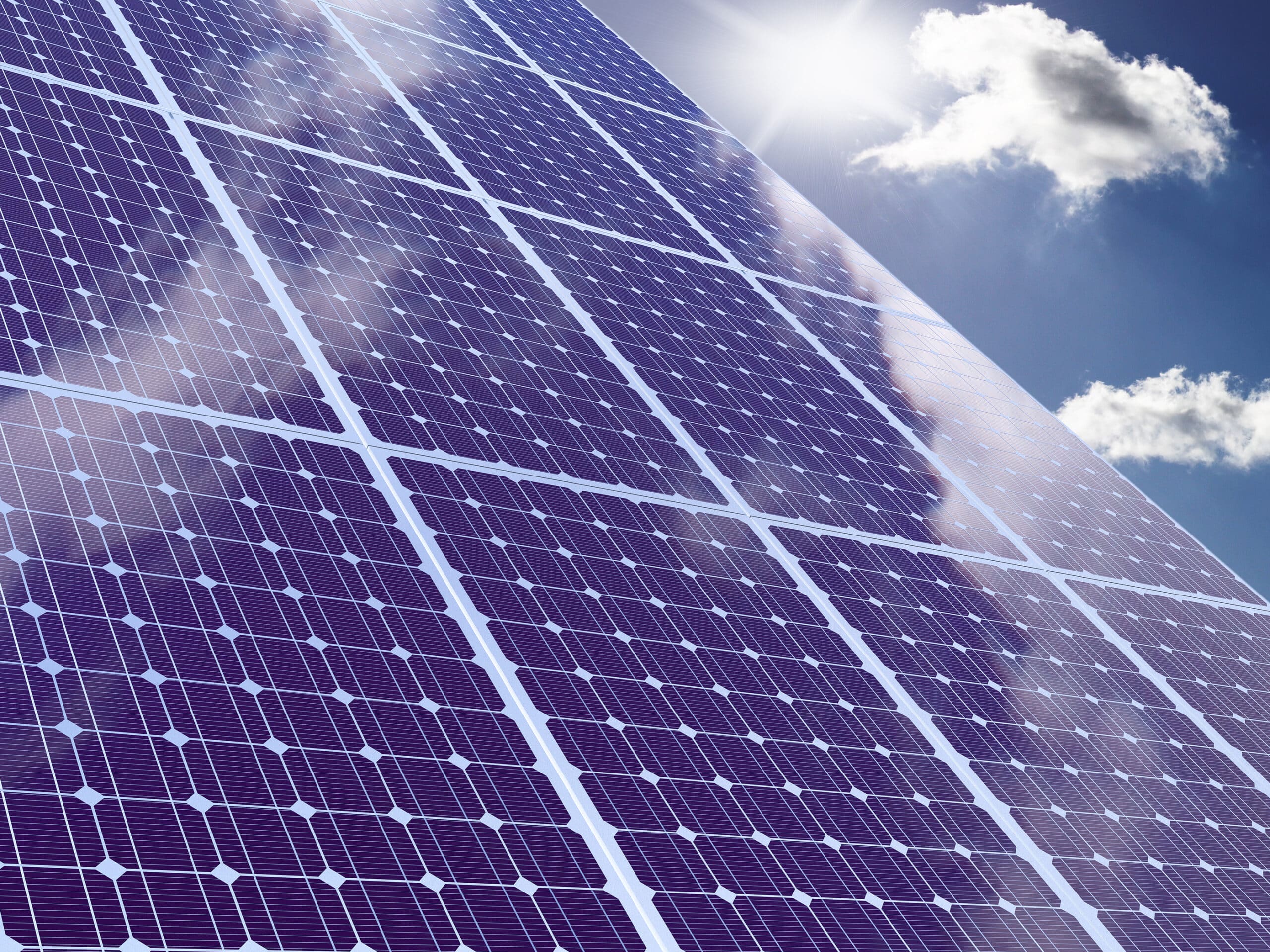
The setup starts on the roof. Most modern systems use monocrystalline solar panels. Think of these as the high-performance option. They catch more sunlight and take up less physical space than older, bulkier panel types. To get the most power possible out of your setup, the panels are installed at a specific angle and pointed directly south. This ensures they catch plenty of sunlight all day long, even during the winter when the sun sits much lower in the sky.
Battery Storage
If panels gather the energy, the batteries hold it. They are the true heart of an off-grid system. Instead of using old-school, heavy car-style batteries (lead-acid) that require you to check and top off their fluids, modern setups use Lithium-ion (LiFePO4) batteries. These are completely maintenance-free, last for years, and let you safely use up almost all their stored energy without draining or damaging them. A solid battery bank keeps your lights on and your tools running smoothly through the night or during a string of gloomy, overcast days.
Inverters
Solar panels make one kind of power (DC, or Direct Current), but standard items like your power tools, microwave, laptop, and AC units run on a different kind of power (AC, or Alternating Current). The inverter acts as a power translator, turning that raw solar energy into standard electricity you can plug right into. When picking an inverter, you have to look at your everyday power usage plus your peak “surge” needs, which is that quick, heavy zap of electricity required the exact second a large tool or air conditioner boots up.
Charge Controllers
Think of the charge controller as the system’s brain and bodyguard. It monitors the electricity coming straight from the sunlit panels and controls how it flows into your batteries. Its main job is to stop the batteries from overcharging and frying on bright, blazing summer days. At night, it acts as a one-way gate, preventing stored battery power from accidentally leaking backward into the dark solar panels. It keeps the whole system safe and healthy for the long haul.
Common Use Cases for Solar Containers
Construction Sites in Remote Locations
Large construction and building projects. like laying pipelines, building wind farms, or clearing remote highways, use solar containers to get a functional site up and running immediately.
Disaster Relief and Emergency Response
When storms or natural disasters knock out the local power grid, these tough units can be quickly trucked into the area. They immediately provide a centralized space for communication, safe medical storage, bright lighting, and phone charging stations.
Agricultural Operations and Farms
Large farms use solar containers to run automated watering systems, electric security fencing, automatic gates, and field offices when they are located too far away from the main farm buildings.
Telecommunications and Monitoring Stations
Remote weather stations, cell towers, and border checkpoints rely on the steady, low-maintenance power of solar setups to keep their data flowing without interruption.
Military and Government Field Operations
Field crews use solar-powered container workspaces as command centers because they are completely quiet and don’t give off the massive heat signatures that loud diesel generators do.
Integrating Solar with Container Workspaces
A solar container is rarely just an empty power shed; it is easily turned into a highly productive workspace.
For example, a single container can be split in two. One side is a fully insulated mobile office with bright LED lights, internet lines, and comfortable heating and cooling. The other side serves as a secure tool workshop. Your crew can lock up expensive gear overnight while safely charging cordless batteries, running fans, and operating diagnostic equipment completely off the grid.
Installation and Setup Considerations
Solar containers are designed for quick “drop-and-go” setups, but getting them into the right position is key to catching the most sunlight:
- Site Positioning: The container needs to be placed away from tall trees, building shadows, or hills that might block the sun during peak hours (usually between 10:00 AM and 4:00 PM).
- Mounting Options: Depending on how long your project lasts, you can use low-profile mounts fixed right to the roof for fast setup, or adjustable racks that let your crew tilt the panels to catch the sun as the seasons change.
- Internal Wiring: All inside wiring is run through tough, surface-mounted metal pipes to make sure it handles the bumps and vibrations of being frequently moved from job to job.
- Transport and Delivery: Built to standard shipping container sizes, these units are easily hauled on standard flatbed trucks and set down exactly where you need them using standard jobsite forklifts or cranes.
Maintenance and Longevity
One of the best reasons to choose a solar container is how little maintenance it needs, especially compared to the constant upkeep of a gas or diesel engine.
Standard maintenance is incredibly simple:
- Panel Cleaning: Just hose off dust, pollen, or dirt every now and then so the sun can shine directly onto the glass.
- System Monitoring: You can use a simple app on your phone or computer to check how much power your panels are making and see your exact battery levels from anywhere.
- Battery Management: Thanks to modern lithium batteries, there are no fluids to check, no belts to replace, and no engine parts to grease. The solid-state electronics are built to run smoothly for decades.
Safety and Compliance
High-voltage power systems must prioritize safety. These commercial solar containers are built strictly to standard national electrical and OSHA workplace safety rules.
Every unit comes with grounding rods driven into the dirt at your site, along with heavy-duty circuit breakers and surge protectors to instantly shut the system down if it gets overloaded or hit by lightning. Fire safety is handled by smart internal cooling systems that monitor battery temperatures, keeping all the electrical parts running at a safe, stable temperature.
Comparing Solar Containers vs. Traditional Generators
| Feature | Solar-Powered Containers | Traditional Diesel Generators |
| Fuel Dependability | Zero fuel needed (100% powered by the sun) | Fully dependent on regular, costly diesel deliveries |
| Operational Noise | Completely silent | Loud and constant engine noise |
| Maintenance Profile | Simple digital checks; no moving parts | High (frequent oil changes, filters, and belt fixes) |
| Long-Term ROI | Great long-term value; near-zero daily costs | Cheaper at first, but daily fuel and repair costs add up fast |
| Environmental Footprint | Zero emissions; completely clean and green | High carbon exhaust and localized fumes |
| Ideal Role | Steady daily power & built-in clean workspaces | High-demand, short-term massive power spikes |
- Customization Options
Every job site has different needs. To make sure your container fits your exact workflow, Page Street Leasing offers a variety of custom upgrades:
- Full Insulation: Thick spray-foam insulation is added to the inside walls to keep sensitive tools and electronics safe from extreme summer heat or winter freezing.
- Integrated Workspaces: Add custom windows, heavy-duty doors, built-in office desks, and sturdy tool benches.
- Smart Power Tracking: Advanced monitoring systems send alerts straight to your phone if the battery gets low or if an appliance is pulling too much power.
- Expandable Solar Wings: Fold-out roof extensions that open up to double the amount of solar panels catching the sun.
Future of Off-Grid Workspaces
The construction and industrial worlds are moving fast toward eco-friendly building practices. Over the next ten years, green-powered job sites will shift from a trendy alternative to the standard way of doing business.
As battery technology continues to improve, making batteries lighter, smaller, and even safer, the power capacity of mobile solar setups will skyrocket. Choosing a smart, off-grid storage option today sets your company up as a forward-thinking leader, ready for future environmental rules while cutting your daily operating costs right now.
Power Your Project Anywhere
Solar-powered containers are a massive step forward for remote operations. By blending a secure, heavy-duty steel shipping container with a self-sustaining solar power plant, these units give you complete energy independence, lower long-term costs, and unmatched flexibility. Whether your team is running a remote construction site, managing an out-of-the-way farm, or setting up an emergency base, solar containers provide a dependable setup to keep your business moving forward.
Ready to Optimize Your Remote Operations?
Don’t let a lack of power grid access or unpredictable fuel costs slow down your next project. Partner with Page Street Leasing for a secure, rugged, and completely self-contained off-grid container solution.
Our local experts are ready to look at your power needs, customize a container workspace to your exact specs, and coordinate a fast delivery straight to your site.
- Request a Custom Quote
- Speak with a Local Container Modification Expert
- View Our Available Fleet In Inventory
Contact Page Street Leasing today and discover how easy it is to power your project anywhere!
