


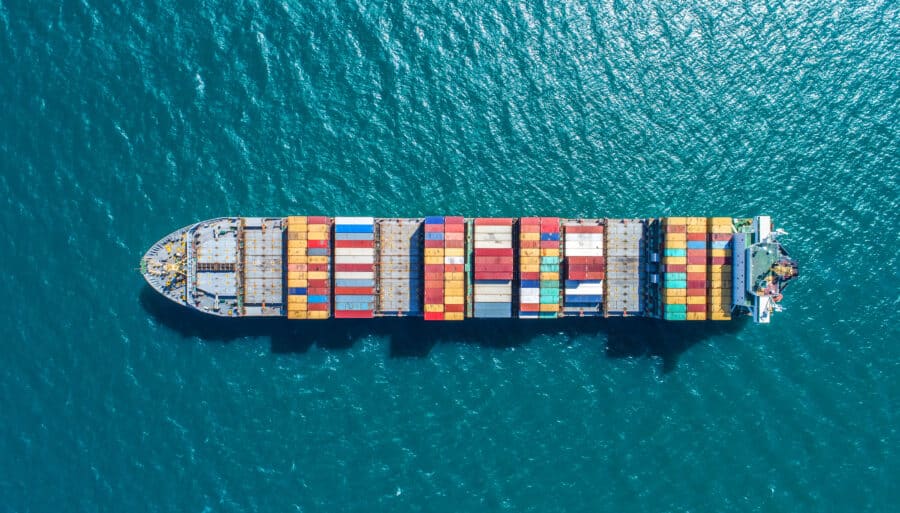
At Page Street Leasing, we primarily help New England businesses and homeowners with secure, on-site storage containers. However, from time to time, customers ask about using containers for international shipping. Maybe you’re relocating abroad, exporting equipment, or purchasing a container for resale. While we don’t handle logistics or freight forwarding, we do sell cargo-worthy containers and work with customers who plan to ship them overseas. If that sounds like you, this quick guide will walk you through the basics, from what documents you might need to how to avoid common customs delays.
What Makes a Cargo-Worthy Container?
Not all containers are created equal—especially when it comes to international shipping. A cargo-worthy container is one that meets the structural and safety requirements for transporting goods across oceans. This doesn’t mean it has to be brand new, but it must be in solid condition and capable of withstanding the rigors of marine transport.
Key Features of a Cargo-Worthy Container
To be considered cargo-worthy, a container typically must have:
- Solid structural integrity: No major dents, warping, or compromised framework
- Intact flooring: The marine plywood floors should be free from rot, warping, or soft spots
- Fully functional doors: Doors must seal properly and lock securely
- Weatherproof construction: No holes, major rust patches, or leaks
- Secure corner castings: These are crucial for stacking and securing the container during transit
- Valid CSC plate: This metal certification tag indicates the container complies with the Container Safety Convention and is approved for international shipping
How Are Cargo-Worthy Containers Certified?
Cargo-worthiness is typically confirmed through a third-party cargo inspection or survey, especially if the container will be loaded at your location and delivered to port (called “Shipper’s Load and Count”). An inspector will assess the container’s structure, door operation, cleanliness, and seal integrity before issuing a certificate.
Do You Need a Cargo-Worthy Container?
Not all containers are certified for overseas transport. If you’re planning to ship internationally, ask for a cargo-worthy unit—this means it’s been inspected and meets structural integrity standards for overseas travel. In some cases, a CSC plate (Container Safety Convention) may be required for shipping on cargo vessels.
Common Modifications You Shouldn’t Make Before Shipping
While container modifications like adding doors, vents, or electrical wiring are popular for on-site storage use, these alterations may disqualify a unit from international shipping if they compromise structural integrity or invalidate the CSC certification.
If you plan to ship a container overseas, it’s best to:
- Avoid major modifications before export
- Confirm that any changes won’t affect certification
- Work with a surveyor to re-certify the container if needed
- Skip cutting into sidewalls or doors, which can weaken stacking strength and weather protection
- Avoid adding internal fixtures that could dislodge during transit or complicate inspections
- Hold off on insulation or framing that may trap moisture or conceal damage
- Ensure any previous modifications are disclosed to your freight forwarder or inspector
We’re happy to advise you on which units are best left unmodified for overseas use—and help you choose a container that meets shipping requirements from the start.
Basic Paperwork to Expect
While you’re responsible for working with a shipping company or freight forwarder, be prepared with basic documents such as:
- Bill of Lading
- Packing List
- Commercial Invoice
- Proof of Container Ownership or Lease
Shipping companies and customs agencies will guide you through the full requirements, but it’s good to know these basics up front.
FAQs: Shipping Containers Overseas
Can you help me get a cargo survey?
Yes. We can refer you to trusted third-party inspectors who can certify your container for international use.
How long does it take to prepare a container for export?
If you need a cargo-worthy unit with minimal lead time, let us know—we often have stock available and can expedite delivery.
What’s the difference between wind- and water-tight (WWT) and cargo-worthy?
WWT containers are great for on-site storage but may not meet international shipping standards. Cargo-worthy containers are structurally sound and suitable for overseas transport.
Can I modify the container before shipping it overseas?
We don’t recommend making modifications like cutting, adding vents, or electrical work before export, as they can impact the container’s structural integrity and invalidate its shipping certification.
Do all containers need a CSC plate to be shipped internationally?
Yes, containers intended for overseas transport typically need a valid CSC plate (Container Safety Convention) to be accepted by freight companies and shipping ports.
Conclusion: Start with the Right Container
Shipping overseas involves a lot of moving parts—but it all starts with choosing the right container. Whether you’re sending tools abroad, relocating equipment, or selling to an overseas buyer, Page Street Leasing can help you get the secure, compliant container you need.
Contact Page Street
Have questions about using a container for overseas shipping? Contact Page Street Leasing today—we’ll help you choose the right unit and point you in the right direction for next steps.